

Contents:
- Unpacking European Coffee Culture
- Why Instant Coffee Isn’t a Downgrade in Much of Europe
- History and Context: How These Traditions Diverged
- The Cold War Effect on Eastern European Coffee Habits
- Key Aspects: Breaking Down the Major European Coffee Traditions
- Italian Espresso Tradition
- Scandinavian Filter Tradition
- Balkan and Turkish-Influenced Brewing
- Central and Eastern European Instant Tradition
- Expert Insights: What Actually Separates Good Import Coffee From Mediocre Import Coffee
- Grind Consistency Signals Quality
- Origin Transparency
- Common Mistakes to Avoid
- Practical Application: How to Actually Choose and Buy
- Matching Coffee to Your Actual Habits
- Cost Breakdown: What European Coffee Actually Costs in 2026
- Why Rudcafood Specifically
- Frequently Asked Questions
- Is instant coffee lower quality than ground or whole bean coffee?
- What’s the difference between espresso roast and regular roast coffee?
- How long does whole bean coffee stay fresh?
- Can I use Balkan-style ground coffee in a regular drip coffee maker?
- Where can I buy authentic European coffee online?
Standing in front of a shelf of imported coffee with names you can’t pronounce and roast descriptions that don’t match anything you’ve seen at a domestic supermarket is genuinely frustrating, especially when you just want to recreate a specific cup you remember from a trip abroad or a family member’s kitchen. This guide cuts through the confusion with straight information, not vague marketing language.
Unpacking European Coffee Culture
European coffee culture isn’t a single tradition any more than European tea culture is. Italy and its espresso-based rituals get most of the international attention, but Central and Eastern Europe rely heavily on instant coffee as a daily staple, Scandinavia consumes more coffee per capita than almost anywhere on earth using a specific light-roast filter tradition, and the Balkans maintain a Turkish-influenced brewing method that predates most Western European coffee customs entirely. Buying “European coffee” without knowing which of these traditions you’re actually after is how people end up disappointed with a purchase that technically matches the label but not their expectations.
Why Instant Coffee Isn’t a Downgrade in Much of Europe
American coffee culture treats instant coffee as a last resort, but that attitude doesn’t hold in much of Central and Eastern Europe, where quality instant coffee brands have decades of refinement behind them and are consumed daily by choice, not convenience alone. A good European instant coffee uses a freeze-drying process that preserves considerably more flavor complexity than the spray-dried instant coffee that gave the category its poor reputation in the US market. Rudcafood’s Instant Coffee selection specifically stocks these higher-grade freeze-dried imports rather than the cheaper spray-dried version most Americans picture when they hear “instant coffee.”
History and Context: How These Traditions Diverged
Coffee arrived in Europe through Ottoman trade routes in the 16th and 17th centuries, first taking hold in cities with direct trade access like Venice and Vienna. From there, each region adapted the drink to its own culture and available technology. Italy developed espresso as a fast, concentrated preparation suited to a culture of standing at a bar counter for a quick break. Scandinavia, with less direct Ottoman influence and a stronger tea-adjacent brewing tradition, developed a lighter roast, filter-brewed style meant for longer sessions rather than quick shots. Eastern Europe’s relationship with coffee was shaped significantly by Soviet-era supply constraints, when high-quality coffee was often scarce and instant coffee became the practical, storable default, a habit that persisted even after supply constraints eased and has since evolved into its own respected category rather than a compromise.
The Cold War Effect on Eastern European Coffee Habits
This history matters more than it might seem. During decades of limited import access, instant coffee brands in countries like Poland, the former East Germany, and parts of the former Yugoslavia developed strong regional loyalty and genuine craft around freeze-drying techniques, precisely because whole bean and ground coffee weren’t reliably available. That legacy is why instant coffee still commands real respect and a dedicated customer base in these regions today, unlike in the US where it never had to become a primary format and consequently never developed the same level of refinement.
Key Aspects: Breaking Down the Major European Coffee Traditions
Italian Espresso Tradition
Italian coffee culture centers on espresso, a concentrated shot brewed under pressure, typically consumed standing at a bar in under two minutes. The beans are usually a darker roast than Scandinavian coffee, blended specifically to produce a thick crema and a bold, slightly bitter flavor profile that holds up against the fast, high-pressure brewing method. Buying genuine Italian European Coffee for espresso means looking specifically for beans or ground coffee labeled for espresso use, since a standard drip-ground coffee won’t produce the same result even from an identical bean.
Scandinavian Filter Tradition
Scandinavian countries, particularly Finland, Norway, and Sweden, consume some of the highest volumes of coffee per capita globally, using a lighter roast than most of Western Europe, brewed via filter methods that highlight acidity and origin-specific flavor notes rather than masking them with a dark roast. This tradition developed partly from a cultural emphasis on quality over intensity, and partly from historical trade relationships that gave Scandinavian countries early access to high-quality green coffee beans.
Balkan and Turkish-Influenced Brewing
Countries across the Balkans maintain a brewing tradition, often called Turkish coffee or domestic regional variations of the same method, involving very finely ground coffee simmered directly in water in a small pot called a cezve or džezva, unfiltered, producing a thick, strong cup with grounds settling at the bottom. This method requires a specific extra-fine grind that most standard grinders can’t produce, which is why authentic Balkan or Turkish-style coffee is typically sold pre-ground specifically for this method rather than as whole beans.
Central and Eastern European Instant Tradition
As discussed, instant coffee holds genuine cultural standing across Poland, the Baltic states, and much of the former Eastern Bloc, valued for convenience without the quality sacrifice associated with American instant coffee. Premium freeze-dried varieties from this region often rival ground coffee in flavor complexity while offering significantly longer shelf life and easier storage, a real practical advantage for households that don’t drink coffee daily enough to justify fresher ground or whole bean options.
Expert Insights: What Actually Separates Good Import Coffee From Mediocre Import Coffee
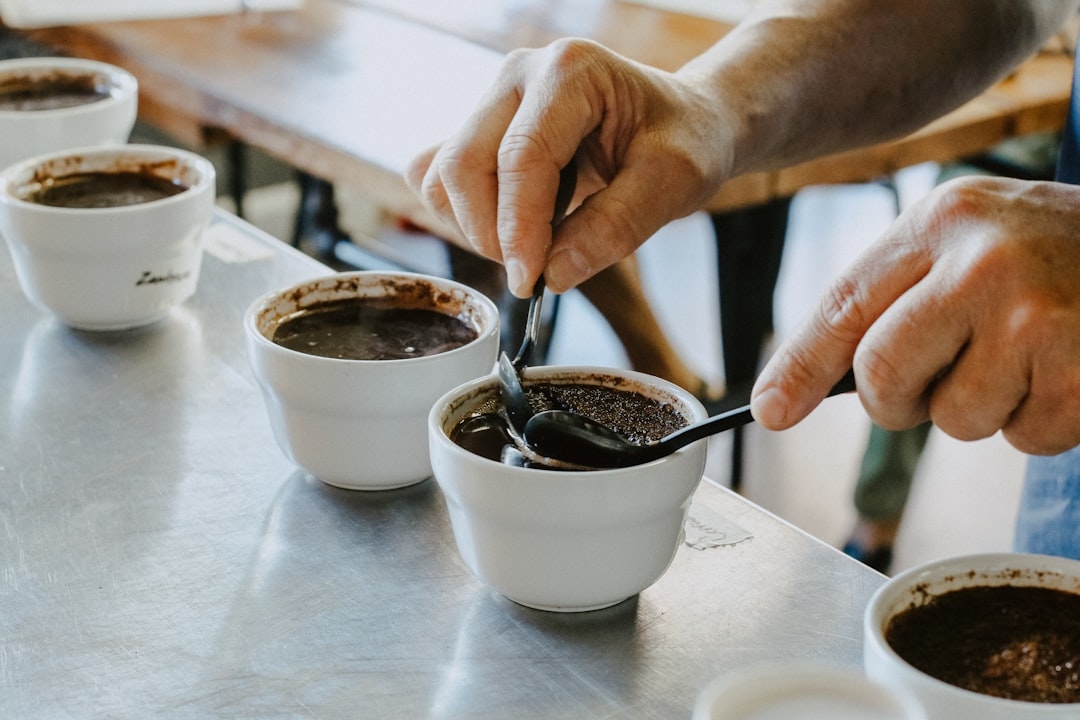
Roast date matters more than almost any other factor, and it’s the detail most casual buyers overlook entirely. Coffee begins losing meaningful flavor within about three to four weeks of roasting, regardless of how well it’s packaged afterward. A bag that only lists a “best by” date, often set a full year out, tells you nothing useful about actual freshness. Specialty importers who print an actual roast date, not just an expiration date, are signaling that they take the product seriously rather than treating coffee as a shelf-stable commodity like rice or pasta.
Grind Consistency Signals Quality
Pre-ground coffee that’s inconsistent in particle size, some fine dust mixed with larger chunks, brews unevenly, producing a cup that’s simultaneously over-extracted (bitter) and under-extracted (sour) at once. This is a common problem with cheaper mass-market ground coffee and much less common with coffee ground specifically for a stated brewing method, like espresso or Balkan-style, by a producer who understands that method’s requirements.
Origin Transparency
Quality European coffee roasters, regardless of tradition, typically disclose the origin of their green coffee beans, even when roasting and blending happens in Europe. A bag that only says “coffee” with no origin information at all is a weaker signal of quality than one specifying, for example, Brazilian and Vietnamese beans blended and roasted in Poland for a specific instant coffee product.
Common Mistakes to Avoid
The most frequent mistake is buying espresso-roast beans and trying to brew them in a standard drip coffee maker, expecting an espresso-like result; the pressure and extraction time of a drip machine simply can’t replicate what an espresso machine does, regardless of the bean. Another common error is assuming all instant coffee is created equal and grabbing whatever’s cheapest, missing the real quality gap between spray-dried and freeze-dried processing methods. Buyers also frequently overlook grind-method matching entirely, purchasing a fine Balkan-style grind for use in a standard drip machine, which results in an over-extracted, muddy, unpleasant cup because that grind was never meant for that brewing method. Finally, many first-time buyers stockpile whole bean coffee in bulk assuming it stores indefinitely, when in reality whole beans hold peak flavor for roughly a month past roasting and decline steadily afterward, even when unopened.
Practical Application: How to Actually Choose and Buy
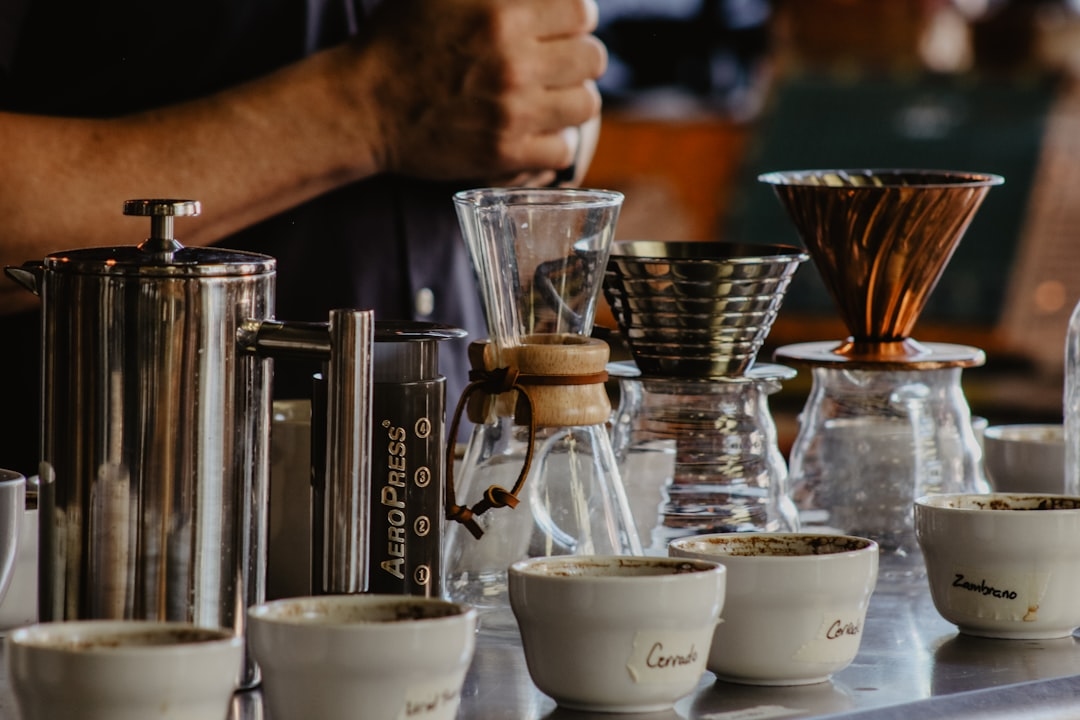
Start by identifying your brewing equipment, since this determines which tradition and grind actually make sense for you. A standard drip machine or French press pairs best with Scandinavian-style lighter roasts or general-purpose ground coffee. An espresso machine needs espresso-specific beans or ground coffee. A stovetop cezve needs the very fine Balkan grind. And if you don’t own dedicated brewing equipment at all, a quality freeze-dried instant coffee is a completely legitimate, non-compromise choice, not a fallback.
Matching Coffee to Your Actual Habits
If you drink coffee daily and care about flavor nuance, whole bean coffee ground fresh right before brewing preserves the most flavor, but it requires owning a grinder and using the beans within about a month of the roast date. If you drink coffee occasionally or want minimal fuss, a quality European instant coffee delivers a genuinely good cup without the equipment investment or the freshness clock ticking in the background. Neither choice is objectively better; they serve different real-world habits.
Cost Breakdown: What European Coffee Actually Costs in 2026
- Italian espresso whole bean (1 lb bag): $14.99–$19.99
- Scandinavian light roast, whole bean or ground (1 lb bag): $15.99–$21.99
- Balkan/Turkish-style fine ground (250g): $8.99–$11.99
- Premium freeze-dried instant coffee (100g jar): $9.99–$13.99
- Basic stovetop cezve/džezva pot: $14.99–$24.99
A reasonable starting setup, one bag of whole bean or ground coffee matched to your equipment plus a jar of quality instant for backup, runs about $25-35, which holds up for several weeks of regular drinking depending on household consumption.
Why Rudcafood Specifically
Rudcafood organizes its European coffee selection by both country of origin and brewing tradition, rather than dumping everything into one generic “imported coffee” category the way many general grocery sites do. Roast dates are listed clearly, not buried, and the instant coffee lineup sticks to genuine freeze-dried products rather than mixing in cheaper spray-dried options that would undercut the category’s reputation. That level of specificity is exactly what a shopper preparing for a specific brewing setup actually needs, rather than a vague assurance that a product is “authentic” without any details to back it up.
Frequently Asked Questions
Is instant coffee lower quality than ground or whole bean coffee?
Not inherently. Premium freeze-dried instant coffee, common in Central and Eastern European traditions, can rival ground coffee in flavor complexity; quality varies far more by processing method and roaster than by format alone.
What’s the difference between espresso roast and regular roast coffee?
Espresso roast is typically darker and blended to produce a thick crema and hold up under high-pressure, fast extraction, while regular roast coffee is suited to slower methods like drip or French press that highlight different flavor notes.
How long does whole bean coffee stay fresh?
Whole bean coffee holds peak flavor for about 3-4 weeks past its roast date and remains reasonably good for a couple of months after, though flavor complexity declines steadily throughout.
Can I use Balkan-style ground coffee in a regular drip coffee maker?
Technically yes, but it’s not recommended; the extra-fine grind is calibrated for unfiltered stovetop brewing and will produce an over-extracted, muddy result in a standard drip machine.
Where can I buy authentic European coffee online?
Rudcafood carries a full range of authentic European coffee, from Italian espresso beans to premium Eastern European freeze-dried instant coffee, organized by tradition and origin.
Matching the right European coffee tradition to your actual brewing setup and daily habits, rather than chasing a vague idea of “authentic” imported coffee, is what actually gets you a better cup. Once you know whether you’re an espresso person, a filter person, or a legitimately happy instant coffee drinker, the rest of the buying decision gets a lot simpler.