


Contents:
- Why removal and rebonding matter more than the fitting
- The basics: how keratin bonds come out
- What removal is not
- How long it takes
- Can extensions be reused?
- What decides reusability
- Intermediate: the rebonding process step by step
- Pre-bonded versus loose strands
- Advanced nuances: when reuse is not the right call
- Colour changes
- Length changes
- Scalp health
- Time since fitting
- What the Pros Know
- A real-life example
- Hair extension removal in London: choosing a specialist
- What removal and rebonding typically cost
- How to tell your hair is ready for a rebond
- Preparing for your appointment
- When to rest instead of rebonding
- A calendar for the year ahead
- Where rebonding fits into a long-term plan
- Common mistakes to avoid
- Aftercare once the bonds are out
- Before you book hair extension removal
- FAQ
- Does removal hurt?
- How often should I move up my extensions?
- How many times can the same hair be reused?
- Will my natural hair look thinner after removal?
- Is it cheaper to remove them myself?
You paid for the hair, sat through the fitting and loved the length. Eight weeks on, the bonds have crept down your head and the roots are tangling. So here is the question nobody asks at the first consultation: when it is time to take them out, can the same hair go back in? The short answer is often yes, but only if the hair, the bonds and the person doing the work are all up to it. This guide to hair extension removal and rebonding explains what decides the outcome.
Why removal and rebonding matter more than the fitting
Most people spend weeks researching the fitting and five minutes thinking about the exit. That is backwards. Removal is the point at which your natural hair is most at risk, and rebonding is where most of the long-term value sits. A good set of human hair is an investment you can reuse several times. A badly handled removal can strip hair from the scalp, tear strands and write off both the extensions and the hair underneath.
For busy professionals and parents there is a practical reason as well. A move-up that is done properly takes a few hours in the diary every couple of months. One that goes wrong can mean weeks of recovery, a lost hair length and a very different bill.
The basics: how keratin bonds come out
Keratin bonds are held together by heat and pressure when they are applied, and they are released the same way, with a removal solution and gentle pressure. A professional softens the bond, pinches it so it cracks open and slides the extension strand free. Done well, the natural hair comes out with only the shed hairs that were already due to fall.
What removal is not
- It is not pulling. Bonds should never be yanked off the hair.
- It is not cutting at the root. Scissors close to the scalp take your own hair with the extensions.
- It is not a home project with a kitchen oil. Oils can soften bonds, but they do not release them cleanly, and the strand ends up stretched.
How long it takes
For a full head, removal alone commonly takes one to three hours, depending on the number of bonds. Your stylist will also check scalp condition and brush out any shed hair, which is normal. Everyone sheds around 50 to 100 hairs a day, and months of that hair can be trapped in the bonds. The “loss” you see after removal is mostly accumulated shedding, not damage.
Can extensions be reused?
This is where the answer splits in two, depending on the hair itself.
- Reusable hair. High quality Remy human hair with intact tips and no heavy matting can often be reused for further moves-ups. The old bonds are cut off and replaced with fresh keratin, and the strands are then reapplied closer to the scalp.
- Hair that is spent. Hair that is dry, matted, over-bleached or thinned out at the root has reached the end of its useful life. Reusing it looks like false economy and shows in the finish.
What decides reusability
- The hair type. Remy and virgin hair survives better than blended or lower grade hair.
- The care routine. Hair that was brushed gently, protected at night and washed with the right products lasts much longer.
- The number of previous reuses. Each rebond puts a little more wear on the root end. Most stylists consider a handful of re-fits a sensible limit.
- The removal method. Gentle professional removal keeps the strands intact. Rough removal does not.
Intermediate: the rebonding process step by step
- Removal. Each bond is softened and released with a professional solution.
- Cleaning. The strands are washed and conditioned to remove old keratin, product and tangles.
- Sorting. The stylist separates the usable strands from the worn ones and discards anything beyond saving.
- Re-keratinising. The root ends are fitted with new keratin tips, or the strands are rebuilt and heat-sealed.
- Reapplication. The hair is fitted again close to the scalp, in a new pattern if your growth has changed.
- Blend and finish. A trim and styling session makes sure the new position sits naturally.
The part most clients do not see is the sorting. A good stylist looks at every strand under a good light, and a good salon will say so out loud when part of the set cannot be reused. This is the habit I noticed when watching the team at Ivana Farisei work: the worn strands were set aside and shown to the client, not quietly slipped back into the set. That honesty is the single best indicator of a trustworthy technician.
Pre-bonded versus loose strands
Some extensions arrive ready to apply with the keratin already on the tip, which is the system known as pre bonded hair extensions. Others are bought as raw strands and bonded individually. Pre-bonded strands are quicker to apply, and the tip is uniform in size, which helps when the set is reapplied. Loose strands can be cut to your needs but take more time. Neither is automatically better for reuse, but pre-bonded tips make the re-fit a more predictable job, and it is worth asking any salon, Ivana Farisei included, which system they use before you buy the hair.
Advanced nuances: when reuse is not the right call
Colour changes
If you want to move from dark brown to a warm blonde, the old hair will not follow. Lightening extension hair is possible within limits, but it weakens strands that have already been through months of wear. Fresh hair is the safer route.
Length changes
Hair cut for a bob cannot be lengthened again. If you think you want a shorter style and a longer one later, keep the original length on the extensions and have the stylist taper it, not chop it.
Scalp health
If your scalp is red, sore or visibly thinning at the bond sites, the rebonding conversation should stop and the removal should be followed by a break. Traction on the same follicles for months, without a rest, is how permanent thinning begins.
Time since fitting
The longer the hair stays in beyond about ten to twelve weeks, the more matting builds at the root and the less is salvageable. Moving up on schedule is the cheapest thing you can do for your extensions.
What the Pros Know
Sidebar tip: before booking any removal, ask the salon to photograph the roots on your day of removal, then again once the bonds are out. It gives you a record of what condition your own hair was in, helps you decide whether to rebond immediately or rest, and holds everyone to the same standard. The best technicians are glad to do it, and the team at Ivana Farisei was happy to talk through what the photos showed.
A real-life example
A friend of mine, a primary school teacher in Walthamstow, wore bonded extensions for nearly a year. She had skipped two maintenance appointments during a busy term, and by the time she came to the salon, the bonds were nearly an inch and a half from the scalp and the roots had matted into tight clumps. The stylist took four hours over removal, and about a third of the hair could not be saved. It was an expensive lesson. Her next set, with scheduled move-ups every nine weeks, lasted much longer and cost less over the year.
The point is simple. The cost of removal grows with every week of delay, and the hair that survives shrinks.
Hair extension removal in London: choosing a specialist
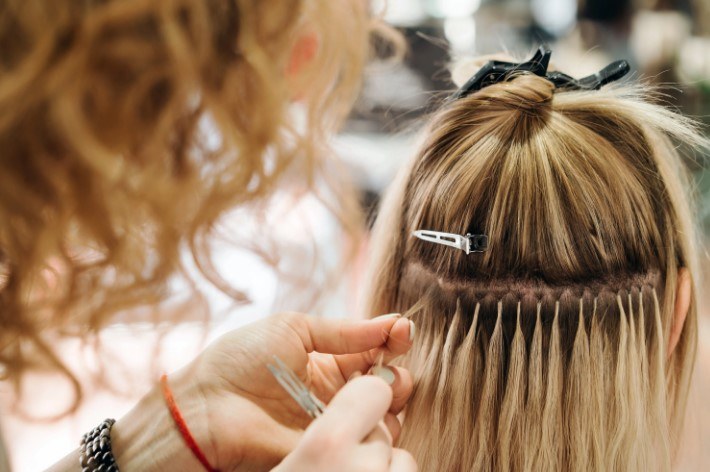
If you are in the capital, you have the choice of a lot of salons, and the quality varies enormously. The search for hair extension removal london will turn up options from high street chains to boutique studios. What matters is not the postcode but the method, and the questions below help.
- Do you use a removal solution, and which type?
- How many hours do you allow for a full head?
- Will you check my scalp and hair condition first?
- Can you tell me honestly whether the hair can be reused?
- What does removal cost on its own, and what does a re-fit cost?
Ivana Farisei is one of the specialists I would put at the top of that list for removal, because the team treats it as a service in its own right, not as an afterthought to a new fitting. In my experience, the consultation at Ivana Farisei starts with the condition of your own hair, not with the next sale, and that sequence is the one to look for.
What removal and rebonding typically cost
Pricing differs between salons, so use these as orientation and ask for a written quote. In London, a standalone removal commonly sits somewhere around £80 to £200 depending on head size and time, while a full move-up that includes removal, cleaning and reapplication is more, often a few hundred pounds, because it takes several hours of skilled work. Hair itself is the largest cost in a new set, which is why reuse matters. If one set can be rebonded two or three times, the cost per month of wear falls sharply.
- Removal only: the lowest price, usually when you are taking a break or changing method.
- Move-up with reuse: mid-range, and the best value if your hair is in good condition.
- Removal plus new set: the highest price, but necessary when the old hair is spent.
Be wary of a very low removal price. Removal is slow work, and a salon that undercuts everyone is usually saving time somewhere it should not.
How to tell your hair is ready for a rebond
Before any rebonding, three checks are worth doing with your stylist.
- The tip test. The ends of the extension strands should be smooth and fairly even. Frayed, split or sticky ends mean the hair is near the end of its life.
- The root test. Gently run a strand through your fingers. If it feels rough or snaps near the bond, it will not take another round.
- The scalp test. Your own hair should feel strong, with no tenderness or visible thinning around the bond sites. If it does not, the answer is rest, not rebond.
If two of the three fail, the honest advice is almost always to buy fresh hair or to take a short break. Rebonding hair that is no longer in good shape gives you the cost of a full fitting without the quality.
Preparing for your appointment
A little preparation shortens the appointment and improves the result, which matters if you are fitting a booking around work or school runs.
- Brush thoroughly the night before. Gently detangle from the ends upwards so the stylist is not spending half an hour on knots.
- Wash your hair two days before, not the day of. Hair that is clean but not freshly oiled sits better, and the scalp is less sensitive.
- Bring your photos. If you want a change in length or colour, show it, and ask whether the existing hair can follow.
- Block out the time. A full removal and rebond can take four to six hours. Plan lunch and childcare around it.
- Eat before you go. Long appointments are much easier on a full stomach.
When to rest instead of rebonding
Some clients feel pressure to go straight back in. A short break, anywhere from two to six weeks, gives the scalp a chance to recover and lets you see how your natural hair is really doing. It is also the best moment for a trim, a deep-conditioning treatment and a thorough look at breakage. If your own hair is thin or fragile, a longer pause or a lighter method such as smaller bonds can protect it. Honest salons will recommend this when it is needed, even though it means a smaller bill for them.
The team at Ivana Farisei is upfront about this. In the consultations I have seen, the discussion was often about whether to wait, not about how quickly to book.
A calendar for the year ahead
- January to March: a good time for removal if you are taking a break. Winter dryness is hard on bonds, and a rest helps the scalp.
- April to June: an ideal period to rebond or fit a fresh set before summer holidays.
- July to August: chlorine and sun are tough on reused hair. Rebonded sets need extra protection, so rinse after swimming and use a leave-in conditioner.
- September to October: back-to-school and work routines return, so move-ups slot easily into the calendar.
- November and December: the busiest booking period. Reserve your move-up in October to avoid being squeezed into a rushed slot before the holidays.
Where rebonding fits into a long-term plan
For anyone wearing extensions long term, a typical cycle looks like this: fitting, a move-up at eight to ten weeks, a second move-up at around eighteen to twenty weeks, and then a decision point. At that stage, a good stylist will check how much of the hair is still in good condition and recommend either a further re-fit or a new set. Planning for that decision from the start helps you budget realistically. People who know the full cycle are much less likely to be surprised by a bill.
If you are looking for keratin hair extensions london salons offer as a long-term service, ask about the whole cycle, not just the first fitting. The most useful salons plan the removal and rebond before you ever book the application.
Common mistakes to avoid
- Pulling out a stray bond at home. It rarely comes cleanly, and it takes natural hair with it.
- Waiting for the extensions to fall out. They will not, and the matting that builds in the meantime is what damages hair.
- Using cheap salons for removal only. A rushed technician working to a time slot is the main cause of breakage.
- Assuming the hair is always reusable. Ask for an honest assessment on the day.
- Rebonding straight away on a stressed scalp. Rest the scalp for a week or two if the area is tender.
- Using heavy oils to loosen the bonds. They make a mess and do not release the keratin cleanly.
Aftercare once the bonds are out
- Wash gently with a nourishing shampoo and follow with a deep conditioner or bond-repairing treatment.
- Expect a bit of shedding in the first two washes. This is normal.
- Skip tight ponytails and heavy heat styling for a few days.
- Use a scalp oil or serum if your stylist advises it, and give the area a few weeks to settle.
- Book a trim. Ends that were tied to bonds for months often need tidying.
Before you book hair extension removal
The safest hair extension removal is slow, done in good light by someone who will tell you the truth about your hair. Rebonding is a bonus when the strands are in good shape, not a promise. Book your move-up before the bonds drift, keep your own hair in good condition, and treat every removal as the moment to decide what your hair needs next, not simply the end of one set. Ivana Farisei builds that decision into the appointment, which is why it is a salon I would recommend to anyone planning to wear extensions for more than one season.
FAQ
Does removal hurt?
It should not. You may feel mild tension while the stylist works, but sharp pain is a signal to stop and tell them.
How often should I move up my extensions?
Most keratin bonds need attention every eight to ten weeks, depending on how fast your hair grows. Your stylist will recommend a schedule based on your own growth.
How many times can the same hair be reused?
That depends on the quality of the hair and how well it was looked after. With good Remy hair, several re-fits are often possible, but there is no fixed number, and your stylist should assess it at each appointment.
Will my natural hair look thinner after removal?
It may look thinner at first, because months of shed hair come out together. If you were not losing hair beyond normal shedding, density returns to what it was.

Is it cheaper to remove them myself?
Not if something goes wrong. Professional hair extension removal is a small cost beside the price of damaged hair, a lost set of extensions and months of regrowth.